Sexual performance anxiety (SPA) is one of the most common yet least discussed challenges facing men over 40. It's a self-perpetuating cycle: worry about sexual performance leads to physical difficulties, which reinforces the initial fear, creating even more anxiety the next time.
If you've ever experienced that sinking feeling of dread before intimacy, worried about maintaining an erection, or felt embarrassed about your sexual performance, you're far from alone. Studies suggest that performance anxiety affects up to 25% of men at some point in their lives, and it becomes increasingly common after 40.
The good news? Sexual performance anxiety is highly treatable, and with the right strategies, you can break the cycle and reclaim your confidence in the bedroom.
Understanding Sexual Performance Anxiety
Sexual performance anxiety is characterized by fear, worry, and self-consciousness related to sexual activity. It manifests in several ways:
- Erectile difficulties: Trouble achieving or maintaining an erection
- Premature ejaculation: Ejaculating sooner than desired
- Delayed ejaculation or anorgasmia: Difficulty reaching orgasm
- Avoidance of intimacy: Withdrawing from sexual situations altogether
Why It Affects Men Over 40
While performance anxiety can affect men of any age, it becomes more prevalent after 40 for several reasons:
- Physical changes: Natural age-related changes in erectile function can trigger initial concerns
- Accumulated experiences: Past sexual disappointments or "failures" create lingering anxiety
- Body image concerns: Changes in physical appearance, weight gain, or fitness levels
- Relationship dynamics: Long-term relationship challenges or new relationship pressures
- Life stress: Career pressures, financial concerns, and family responsibilities peak during this period
- Health conditions: Underlying medical issues become more common and can affect sexual function
The Anxiety-Performance Cycle
Understanding how anxiety affects sexual function is crucial to breaking the cycle:
- Anticipatory anxiety: You worry about performance before sexual activity
- Physiological response: Anxiety triggers the "fight or flight" response, releasing stress hormones like cortisol and adrenaline
- Physical symptoms: These hormones constrict blood vessels, making it difficult to achieve or maintain an erection
- Negative experience: The feared outcome occurs, confirming your worries
- Increased anxiety: The next sexual encounter carries even more pressure and fear
- Avoidance: You may begin avoiding intimacy altogether
The key to breaking this cycle is addressing both the psychological and physical components simultaneously.
Cognitive Strategies to Overcome Performance Anxiety
1. Cognitive Restructuring
Your thoughts directly influence your physical responses. Cognitive Behavioral Therapy (CBT) techniques can help you identify and replace unhelpful thought patterns.
Common unhelpful thoughts:
- "I must perform perfectly or I'm a failure"
- "If I can't get an erection, I'm not a real man"
- "My partner will leave me if I can't satisfy them"
- "Everyone else has great sex; something is wrong with me"
Constructive alternatives:
- "Sex is about connection and pleasure, not performance"
- "My worth as a person isn't determined by my erections"
- "My partner cares about intimacy and connection, not just intercourse"
- "Sexual difficulties are common and treatable"
Practice exercise: Write down your anxious thoughts before or during sexual activity. Then, challenge each one by asking: "Is this thought based on facts or fears? What would I tell a friend having this thought?"
2. Mindfulness and Present-Moment Awareness
Performance anxiety pulls you out of the present moment and into your head, where you're evaluating, judging, and worrying. Mindfulness brings you back to the actual sensations and experiences of intimacy.
Mindfulness techniques for sex:
- Sensate focus: Concentrate on physical sensations—touch, warmth, texture—rather than performance outcomes
- Breath awareness: When you notice anxious thoughts, return your attention to your breathing
- Body scanning: Mentally scan your body from head to toe, noticing sensations without judgment
- Acceptance: When anxious thoughts arise, acknowledge them without fighting them, then gently return focus to physical sensations
Practice tip: Start practicing mindfulness outside the bedroom through daily meditation (even 5-10 minutes helps). This makes it easier to access these skills during intimate moments.
3. Reframe What "Sex" Means
One of the most powerful shifts you can make is expanding your definition of sex beyond penetrative intercourse.
Broaden your sexual repertoire:
- Sensual massage and extended foreplay
- Oral sex and manual stimulation
- Mutual masturbation
- Using sex toys together
- Intimate touching and kissing without the goal of intercourse
Many couples report that when they "take penetration off the menu" temporarily, the pressure evaporates, and ironically, erections often return naturally. This approach helps you rediscover pleasure and intimacy without the performance pressure.
For additional strategies on enhancing sexual experiences, check out our guide on home remedies to last longer.
Communication: Your Secret Weapon
Open communication with your partner is one of the most effective tools for overcoming performance anxiety, yet it's often the most neglected.
How to Talk About Performance Anxiety
Choose the right time: Have this conversation outside the bedroom, when you're both relaxed and not immediately before or after sex.
Use "I" statements: Focus on your own feelings rather than blaming or making assumptions about your partner.
- Instead of: "You make me nervous"
- Try: "I've been feeling anxious about my performance lately"
Be specific about what you need:
- "It would help me if we could focus on other forms of intimacy for a while"
- "I'd appreciate it if you could reassure me that you're enjoying our time together"
- "Can we explore what feels good for both of us without the pressure of intercourse?"
Invite their perspective:
- "How are you feeling about our sex life?"
- "What would make intimacy more enjoyable for you?"
Reassure your partner: Performance anxiety can make partners feel rejected or unattractive. Clarify that your anxiety isn't about them:
- "This is about my own worries, not about how attractive I find you"
- "I want to be intimate with you; I'm just working through some anxiety"
Lifestyle Strategies to Reduce Performance Anxiety
1. Stress Management
Since general life stress often spills over into sexual situations, managing overall stress is crucial.
Effective stress-reduction techniques:
- Regular exercise: 30 minutes of moderate activity most days reduces anxiety and improves confidence
- Meditation or yoga: Even 10 minutes daily can significantly lower stress hormones
- Deep breathing exercises: Practice 4-7-8 breathing (inhale for 4, hold for 7, exhale for 8)
- Progressive muscle relaxation: Systematically tense and relax muscle groups
- Time management: Reduce overwhelm by prioritizing and delegating tasks
- Hobbies and leisure: Make time for activities you enjoy
2. Physical Health Optimization
Physical health and sexual function are intimately connected. Improving your overall health often reduces performance anxiety by improving actual physical function.
Key areas to address:
- Cardiovascular health: Exercise improves blood flow, which is essential for erections
- Healthy diet: A Mediterranean-style diet rich in vegetables, fruits, fish, and healthy fats supports vascular health
- Maintain healthy weight: Obesity is linked to erectile difficulties and lower testosterone
- Limit alcohol: While a drink might reduce inhibitions, excessive alcohol impairs sexual function
- Quit smoking: Smoking restricts blood flow and is a major risk factor for ED
- Adequate sleep: Poor sleep contributes to both anxiety and erectile difficulties
For more on the connection between physical health and sexual function, see our article on natural ED remedies.
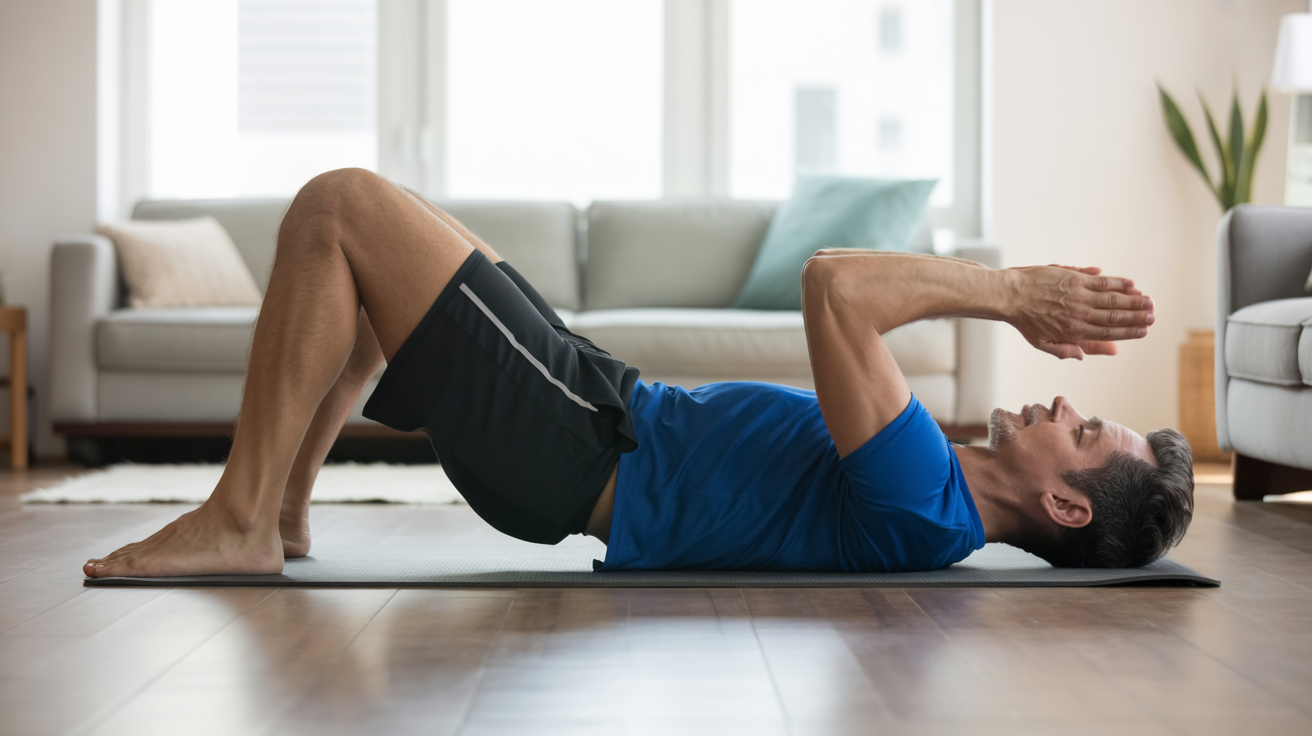
3. Pelvic Floor Exercises
Strengthening your pelvic floor muscles can improve erectile function and ejaculatory control, which builds confidence and reduces anxiety.
How to do Kegel exercises:
- Identify the muscles by stopping urination midstream (but don't do this regularly)
- Squeeze these muscles for 5-10 seconds
- Relax for 5-10 seconds
- Repeat 10-15 times, 3 times daily
Results typically appear after 4-6 weeks of consistent practice.
Professional Help: When and What to Seek
While self-help strategies are effective for many men, professional support can accelerate progress and address deeper issues.
When to Seek Professional Help
Consider professional support if:
- Performance anxiety persists despite self-help efforts for 3+ months
- Anxiety is causing significant relationship distress
- You're avoiding intimacy altogether
- You have symptoms of depression or generalized anxiety
- You suspect an underlying medical condition
Types of Professional Support
Sex therapy: A specialized therapist can help you:
- Work through psychological barriers to sexual function
- Learn specific techniques like systematic desensitization
- Improve communication with your partner
- Address past trauma or negative sexual experiences
Couples therapy: If relationship issues contribute to performance anxiety, couples therapy can:
- Improve communication patterns
- Resolve underlying conflicts
- Rebuild emotional and physical intimacy
- Create a supportive environment for addressing sexual concerns
Medical evaluation: A healthcare provider can:
- Rule out or treat underlying medical conditions (low testosterone, diabetes, cardiovascular disease)
- Review medications that might affect sexual function
- Discuss medical interventions if appropriate (more on this below)
Medical Interventions: Breaking the Cycle
For some men, particularly when physical factors contribute to performance anxiety, medical interventions can help break the anxiety cycle.
Erectile Dysfunction Medications
PDE5 inhibitors (Viagra, Cialis, Levitra) improve blood flow to the penis, making it easier to achieve and maintain erections. Even when anxiety is the primary cause, these medications can:
- Provide a "safety net" that reduces anticipatory anxiety
- Create positive sexual experiences that rebuild confidence
- Break the anxiety-performance cycle
Important considerations:
- These medications require a prescription and medical evaluation
- They don't increase desire; they facilitate the physical response
- They're most effective when combined with psychological strategies
- Side effects and contraindications exist (especially with heart medications)
For a comprehensive overview of options, read our guide on natural alternatives to Viagra.
Testosterone Replacement Therapy
If blood tests reveal low testosterone levels, hormone replacement therapy might be appropriate. Low testosterone can contribute to both erectile difficulties and reduced libido, which can trigger or worsen performance anxiety.
Counseling Medications
In some cases, anti-anxiety medications or antidepressants might be prescribed, though these should be used cautiously as some can affect sexual function. Always discuss potential sexual side effects with your prescriber.
Creating a Personal Action Plan
Overcoming performance anxiety is a journey, not a destination. Here's how to create your personalized plan:
Week 1-2: Foundation
- Have an honest conversation with your partner
- Start a daily mindfulness or meditation practice (5-10 minutes)
- Begin pelvic floor exercises
- Schedule a medical check-up to rule out physical causes
Week 3-4: Building Skills
- Practice cognitive restructuring when anxious thoughts arise
- Implement stress-reduction techniques daily
- Focus on non-penetrative intimacy with your partner
- Continue pelvic floor exercises
Week 5-8: Integration
- Gradually reintroduce penetrative sex without pressure
- Use mindfulness techniques during intimate moments
- Continue all stress management and physical health practices
- Consider professional support if progress is limited
Ongoing: Maintenance
- Maintain healthy lifestyle habits
- Keep communication open with your partner
- Practice self-compassion when setbacks occur
- Celebrate improvements, no matter how small
The Bottom Line
Sexual performance anxiety is a common, treatable condition that affects many men over 40. The key to overcoming it lies in addressing both the psychological and physical components through cognitive strategies, open communication, lifestyle optimization, and professional support when needed.
Remember: Your worth as a person and partner isn't determined by your sexual performance. Sex is about connection, pleasure, and intimacy—not a performance to be evaluated. By shifting your mindset, improving communication, and taking care of your physical and mental health, you can break free from the anxiety cycle and rediscover confident, satisfying intimacy.
The journey may take time, but with patience, persistence, and the right strategies, you can overcome performance anxiety and enjoy a fulfilling sex life for years to come.
Disclaimer: This article is for informational purposes only and does not constitute medical advice. If you're experiencing persistent sexual difficulties or anxiety, consult with a qualified healthcare provider or mental health professional.