Shockwave Therapy for ED: What Men Over 40 Need to Know About This Emerging Treatment
Introduction: A New Wave in Erectile Dysfunction Treatment
For men over 40, erectile dysfunction (ED) can be a frustrating and often disheartening experience. While oral medications like Viagra and Cialis have been game-changers for millions, they don’t work for everyone and often come with side effects. What if there was a treatment that addressed the root cause of vascular ED, rather than just managing symptoms?
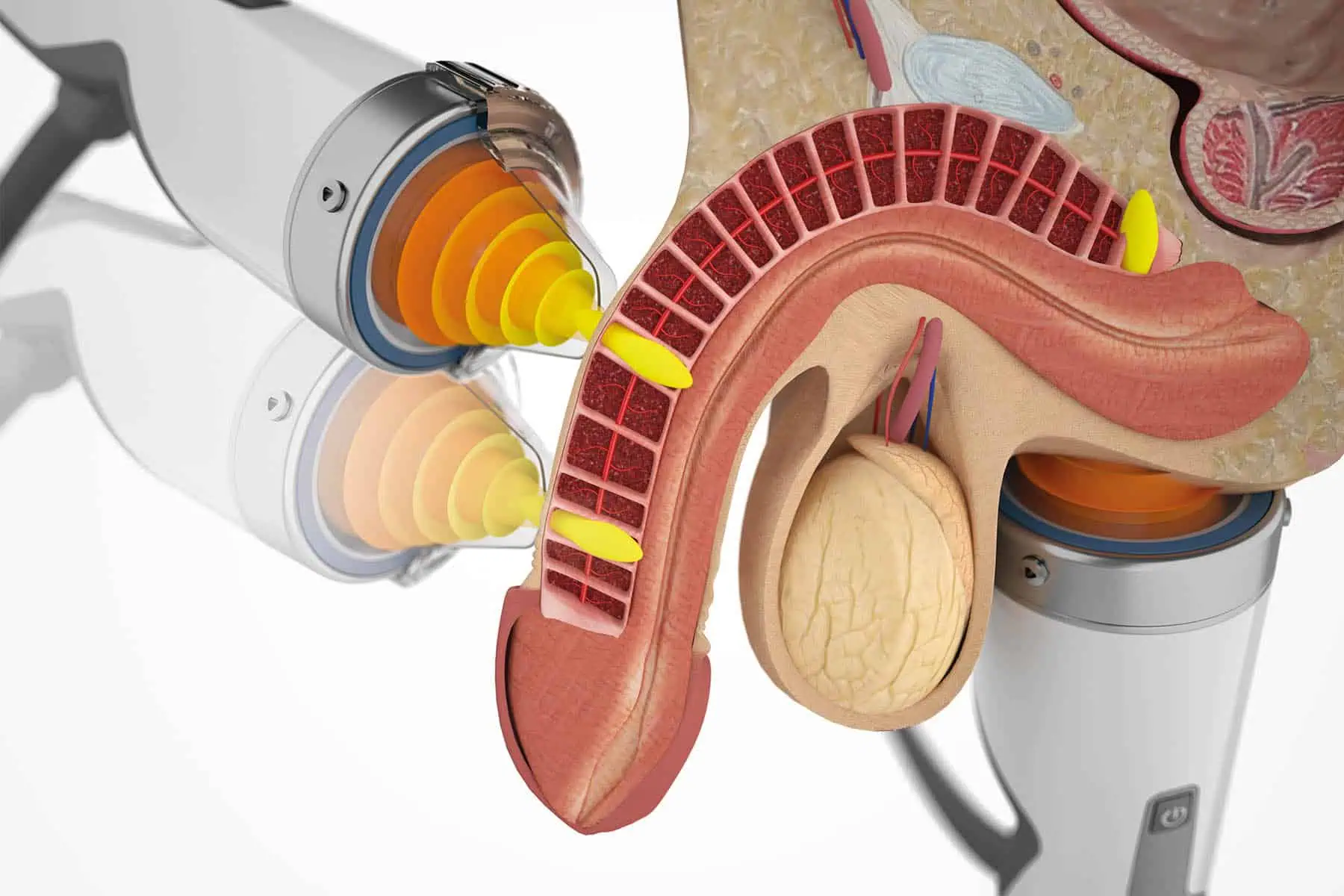
Enter Low-Intensity Extracorporeal Shockwave Therapy (Li-ESWT), an innovative and promising approach that’s gaining traction as a viable treatment for erectile dysfunction. This non-invasive procedure uses gentle acoustic waves to stimulate the growth of new blood vessels in the penis, a process called neovascularization. The result? Improved blood flow and, for many men, the return of spontaneous, natural erections.
This article will provide a comprehensive overview of shockwave therapy for ED, including a detailed explanation of how it works, the clinical evidence supporting its use, and who makes an ideal candidate. We’ll also cover what to expect during the procedure, treatment protocols, costs, and the safety profile of this emerging therapy.
The Science Behind Shockwave Therapy: How Li-ESWT Works
At its core, Li-ESWT is a regenerative therapy. It works by delivering low-intensity acoustic waves to the penile tissue, which creates a series of micro-trauma. This controlled stress triggers a cascade of biological responses, including:
Neovascularization: The primary mechanism of action is the formation of new blood vessels. The shockwaves stimulate the release of angiogenic factors, such as Vascular Endothelial Growth Factor (VEGF) and Proliferating Cell Nuclear Antigen (PCNA), which are crucial for blood vessel growth.
Improved Blood Flow: With new blood vessels forming in the corpora cavernosa (the spongy tissue in the penis that fills with blood during an erection), there is a significant improvement in blood flow. This enhanced circulation is essential for achieving and maintaining a firm erection.Release of Growth Factors: The therapy also promotes the release of other growth factors that contribute to tissue repair and regeneration. This includes nitric oxide (NO), a key molecule that helps relax the smooth muscles in the penis, allowing for increased blood flow.
Clinical Evidence and Success Rates
The effectiveness of shockwave therapy for ED has been demonstrated in numerous clinical studies. A growing body of evidence suggests that Li-ESWT can be particularly beneficial for men with vasculogenic ED, which is caused by poor blood flow.
Success rates for shockwave therapy vary depending on the individual, the severity of their ED, and the specific treatment protocol used. However, many studies have reported significant improvements in erectile function. For example, some research has shown that up to 60% of men who do not respond to PDE5 inhibitors (like Viagra) experience improved erections after undergoing shockwave therapy.
For men who have undergone a prostatectomy, shockwave therapy is also emerging as a potential treatment option. While more research is needed, early clinical trials have shown promising results in improving erectile function in this population.
Who is an Ideal Candidate for Shockwave Therapy?
Shockwave therapy is not a one-size-fits-all solution for ED. However, it may be an excellent option for men who:
Have vasculogenic ED: The treatment is most effective for men whose ED is caused by poor blood flow.Are non-responders to PDE5 inhibitors: Men who have not had success with oral medications may find that shockwave therapy helps them achieve better erections. In some cases, it can even convert non-responders into responders.
Are seeking a long-term solution: Unlike medications that only provide a temporary fix, shockwave therapy addresses the underlying cause of ED, potentially leading to lasting improvements.Have undergone a prostatectomy: While still being studied, shockwave therapy shows promise for men who have experienced ED as a side effect of prostate surgery.
For those interested in exploring natural ways to support blood flow, our article on the best natural ED gummies for blood flow offers some great insights.
The Shockwave Therapy Procedure: What to Expect
The shockwave therapy procedure is straightforward and typically performed in a urologist’s office. Here’s what you can expect:
- Consultation: Before starting treatment, you will have a thorough consultation with a urologist to determine if you are a good candidate for the therapy.
- The Procedure: During the procedure, a handheld device is used to deliver the low-intensity shockwaves to different areas of the penis. The treatment is generally painless, and no anesthesia is required.
- Treatment Protocol: A typical treatment protocol consists of a series of sessions, usually twice a week for three to six weeks. Each session lasts about 15-20 minutes.
Treatment Protocols and Costs
The cost of shockwave therapy for ED can vary widely depending on the provider and the number of sessions required. On average, a single session can cost around $450, with a full course of treatment ranging from $2,700 to $6,000. It’s important to note that shockwave therapy for ED is not yet FDA-approved and is not typically covered by insurance.
For a more holistic approach to men’s health, consider our complete testosterone optimization guide for men after 40, which can complement treatments like shockwave therapy.
Safety Profile and Side Effects
Shockwave therapy for ED is considered a safe procedure with a low risk of side effects. When they do occur, they are usually mild and temporary. The most common side effects include:
Pain or discomfort during the procedureBruising or swelling of the penis
Blood in the urine (hematuria)It’s crucial to have the procedure performed by a qualified and experienced urologist to minimize the risk of complications.
Shockwave Therapy vs. PDE5 Inhibitors: A Comparison
| Feature | Shockwave Therapy (Li-ESWT) | PDE5 Inhibitors (e.g., Viagra, Cialis) |
|---|---|---|
| Mechanism | Addresses the root cause by promoting neovascularization | Temporarily increases blood flow by inhibiting the PDE5 enzyme |
| Treatment | A series of in-office sessions | On-demand oral medication |
| Spontaneity | Allows for spontaneous erections | Requires planning and taking a pill before sexual activity |
| Side Effects | Mild and rare (e.g., bruising, pain) | Common (e.g., headache, flushing, indigestion) |
| Cost | Higher upfront cost, not covered by insurance | Lower cost per pill, often covered by insurance |
| Long-Term | Potential for lasting improvements | Effects are temporary |
Pros and Cons of Shockwave Therapy for ED
Pros:
Non-invasive and painless
Addresses the root cause of vasculogenic EDPotential for long-lasting results
Allows for spontaneous erectionsMinimal side effects
Cons:
Not effective for all types of EDHigh upfront cost
Not covered by insuranceRequires multiple treatment sessions
Long-term efficacy is still being studiedActionable Next Steps
If you are a man over 40 struggling with erectile dysfunction, shockwave therapy may be a treatment worth considering. Here are some actionable next steps you can take:
- Consult with a Urologist: The first step is to schedule a consultation with a board-certified urologist who has experience with shockwave therapy. They can help determine if you are a good candidate and answer any questions you may have.
- Do Your Research: Educate yourself about the procedure, its success rates, and the potential risks and benefits.
- Consider a Holistic Approach: In addition to medical treatments, lifestyle changes such as a healthy diet, regular exercise, and stress management can also have a significant impact on erectile function. For those dealing with performance anxiety, our guide on overcoming sexual performance anxiety for men over 40 can be a valuable resource.
Combining Shockwave Therapy with Lifestyle Interventions
While shockwave therapy can be highly effective on its own, combining it with lifestyle modifications can amplify your results. Here are some evidence-based strategies to consider:
Cardiovascular Exercise: Regular aerobic activity improves overall blood flow throughout your body, including to the penis. Aim for at least 150 minutes of moderate-intensity exercise per week. Activities like brisk walking, swimming, or cycling can make a significant difference.
Dietary Changes: A heart-healthy diet supports vascular health. Focus on foods rich in antioxidants, omega-3 fatty acids, and nitric oxide boosters. Consider incorporating L-arginine into your routine, as this amino acid is a precursor to nitric oxide production.
Stress Management: Chronic stress elevates cortisol levels, which can negatively impact testosterone and sexual function. Practices like meditation, yoga, or deep breathing exercises can help manage stress effectively.
Quality Sleep: Poor sleep disrupts hormone production, including testosterone. Aim for 7-9 hours of quality sleep per night to support optimal sexual health.
Supplements to Consider: While shockwave therapy addresses the physical aspects of ED, certain supplements can provide additional support:
- Nitric oxide boosters to enhance blood flow
- Vitamin D3 if you're deficient (linked to ED)
- Zinc for testosterone support
For more information on how nitric oxide impacts male performance, check out our article on nitric oxide and male performance after 40.
Real Patient Experiences and Expectations
Understanding what to expect from shockwave therapy can help you set realistic goals. While individual results vary, many men report:
Timeline for Results: Most men begin noticing improvements 2-4 weeks after completing their treatment protocol. The full benefits typically manifest within 3-6 months as new blood vessels continue to develop.
Duration of Effects: Clinical studies suggest that the benefits of shockwave therapy can last anywhere from 1-3 years. Some men may require maintenance sessions to sustain their results.
Realistic Outcomes: It's important to have realistic expectations. Shockwave therapy may not restore erectile function to the level you experienced in your 20s, but many men report significant improvements in:
- Firmness of erections
- Ability to maintain erections
- Spontaneous morning erections
- Overall sexual confidence
Questions to Ask Your Urologist
Before committing to shockwave therapy, come prepared with questions for your consultation:
- How many shockwave therapy procedures have you performed?
- What is your success rate with patients similar to my age and condition?
- What specific protocol do you use (number of sessions, intensity, treatment areas)?
- What device do you use, and is it FDA-cleared for other indications?
- What are the realistic expectations for my specific case?
- Are there any contraindications based on my medical history?
- What happens if the treatment doesn't work for me?
- Do you offer any follow-up care or maintenance protocols?
The Future of Shockwave Therapy for ED
As research continues, shockwave therapy is becoming increasingly refined. Emerging developments include:
Combination Therapies: Some clinics are exploring the use of shockwave therapy in combination with platelet-rich plasma (PRP) injections or stem cell therapy for enhanced results.
Personalized Protocols: Advanced imaging techniques may soon allow urologists to customize treatment protocols based on individual vascular anatomy.
Home Devices: While currently only available in clinical settings, researchers are working on developing safe, effective home-use devices that could make the therapy more accessible and affordable.
Conclusion
Shockwave therapy for ED represents a significant advancement in the treatment of erectile dysfunction. By addressing the root cause of vasculogenic ED, this non-invasive procedure offers the potential for long-lasting improvements in erectile function and a return to a more spontaneous and satisfying sex life.
While it may not be the right choice for everyone, it is a promising option for men over 40 who are looking for an alternative to traditional ED medications. The key is to work with a qualified urologist, maintain realistic expectations, and combine the therapy with healthy lifestyle choices for optimal results.
Remember, erectile dysfunction is often an early warning sign of cardiovascular issues. If you're experiencing ED, it's crucial to address it not just for your sexual health, but for your overall well-being. Take the first step today by scheduling a consultation with a urologist who specializes in men's sexual health.